
Our Vision is to Activate the Bergen Arches as a Shared-Use Greenway
We advocate for preserving the historical, environmental, and cultural aspects that give the Arches their urbanistic qualities.
HISTORY OF THE ARCHES
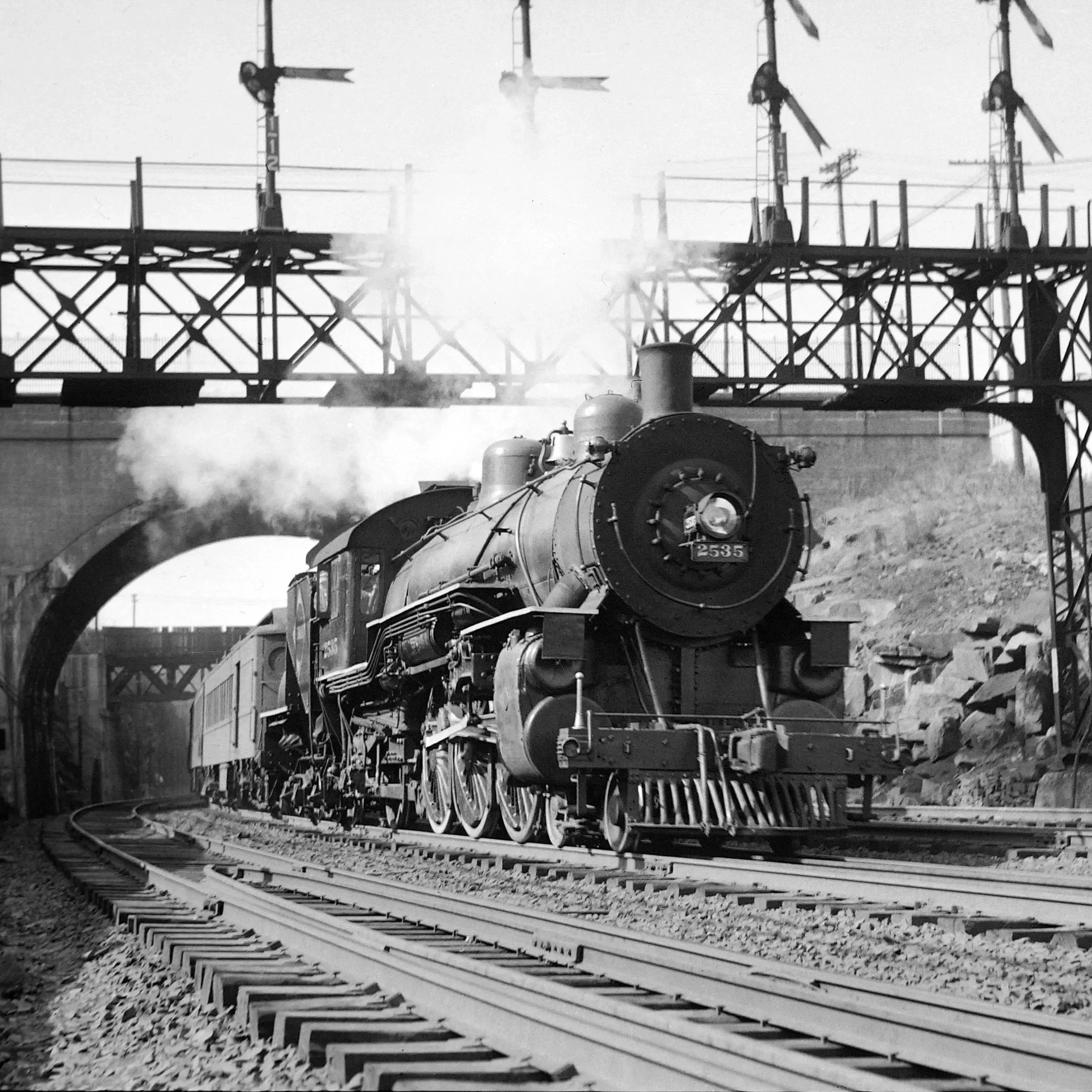
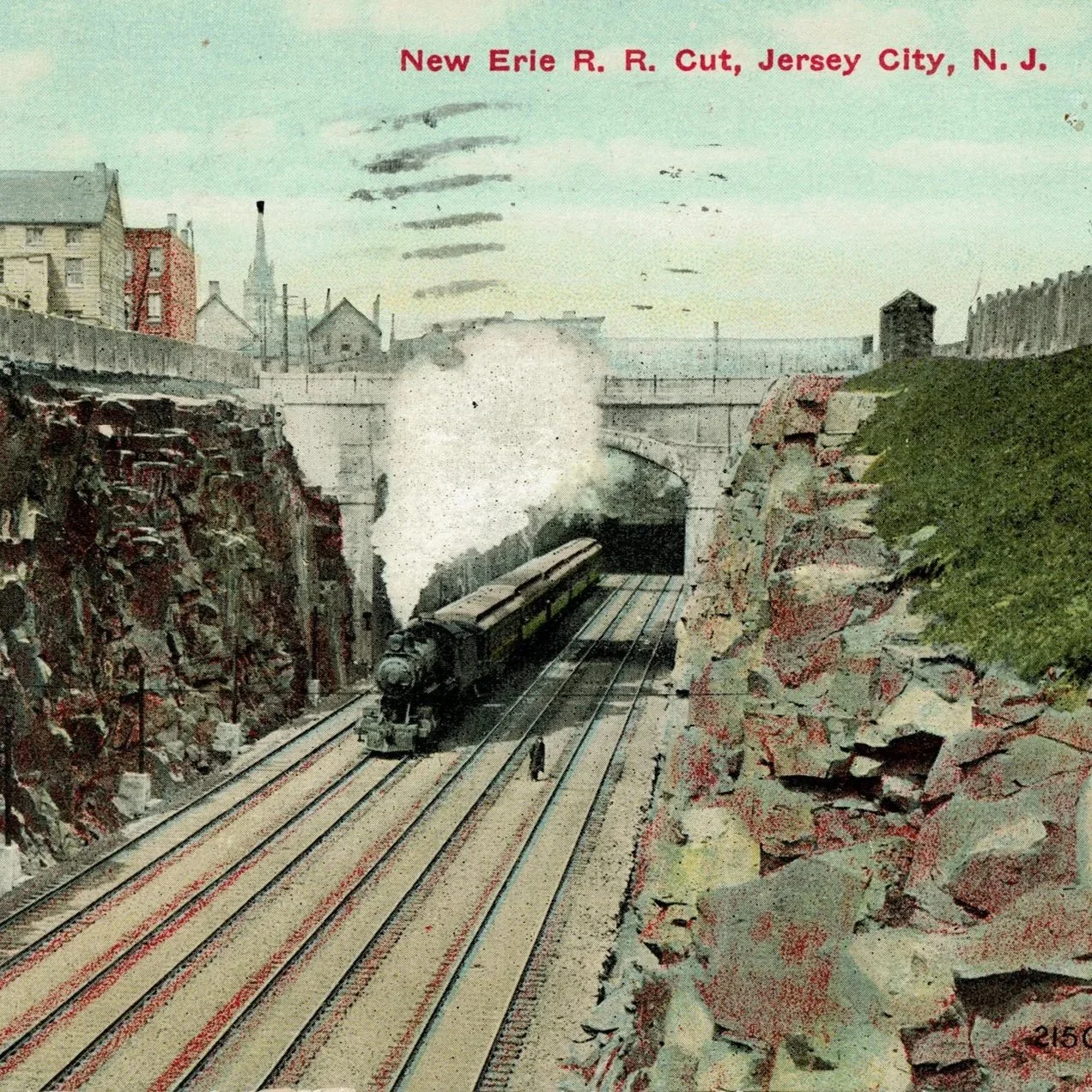
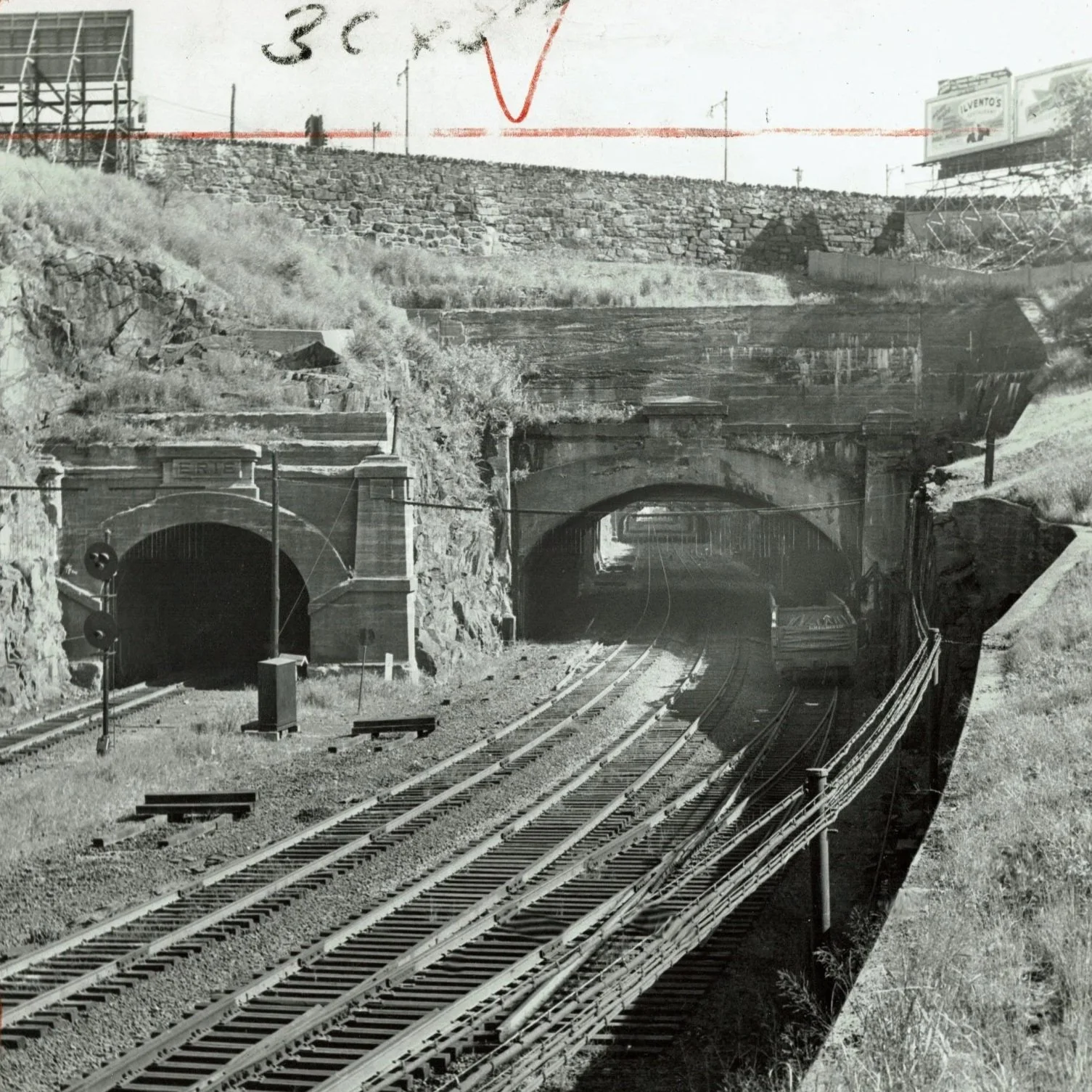
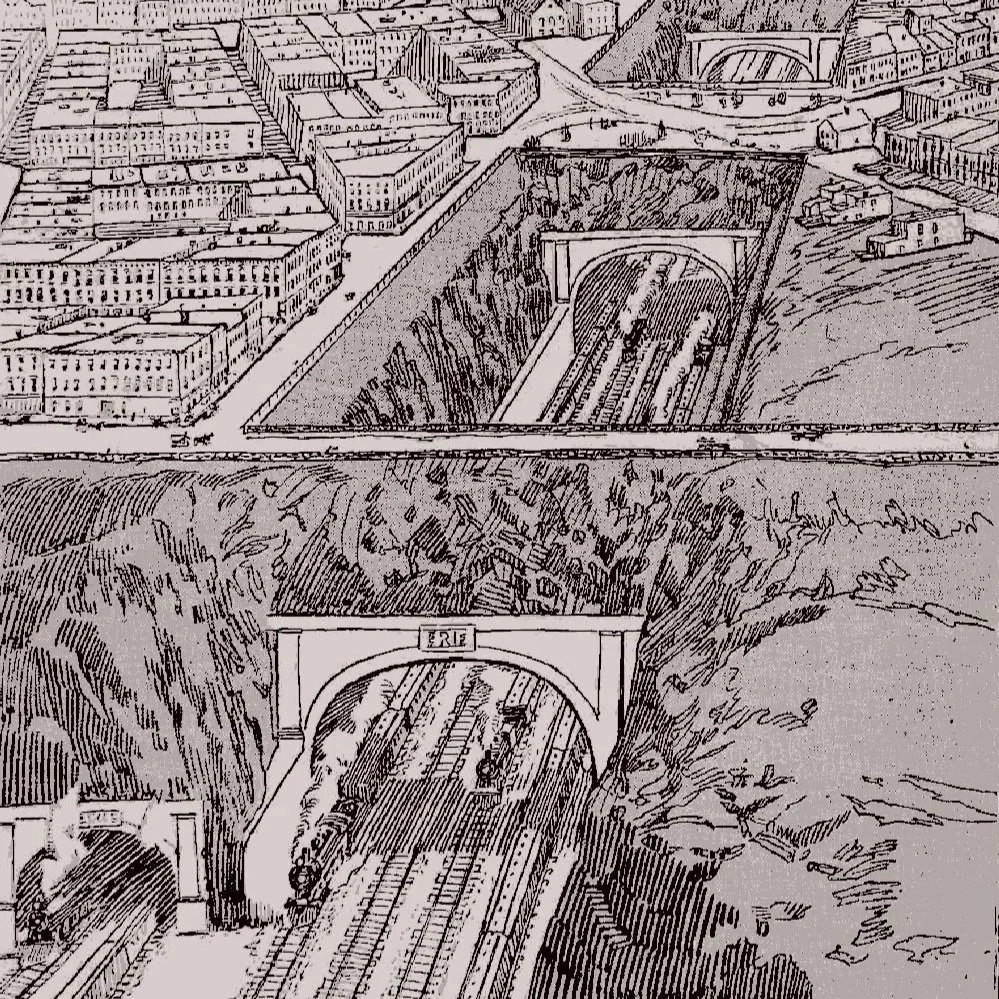
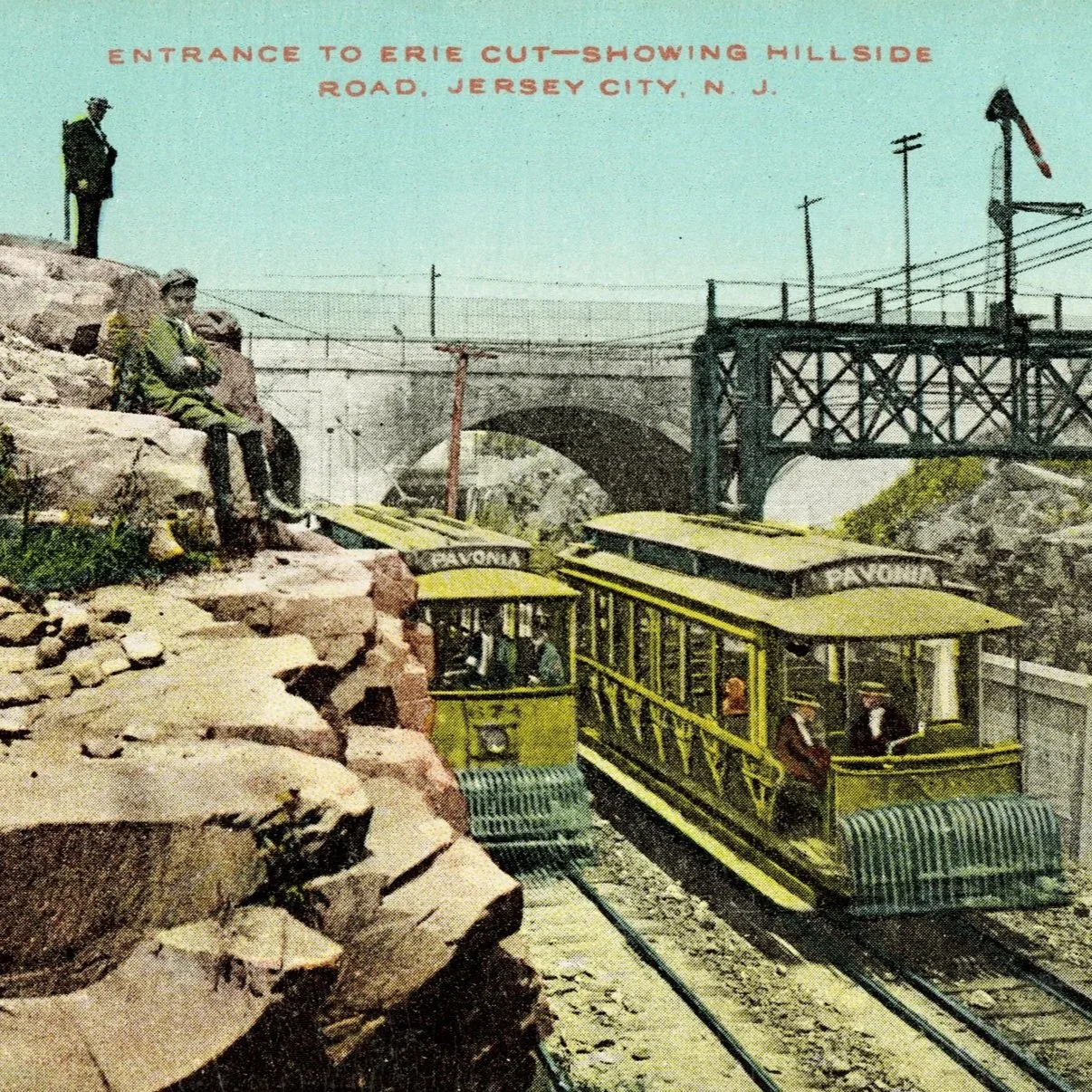
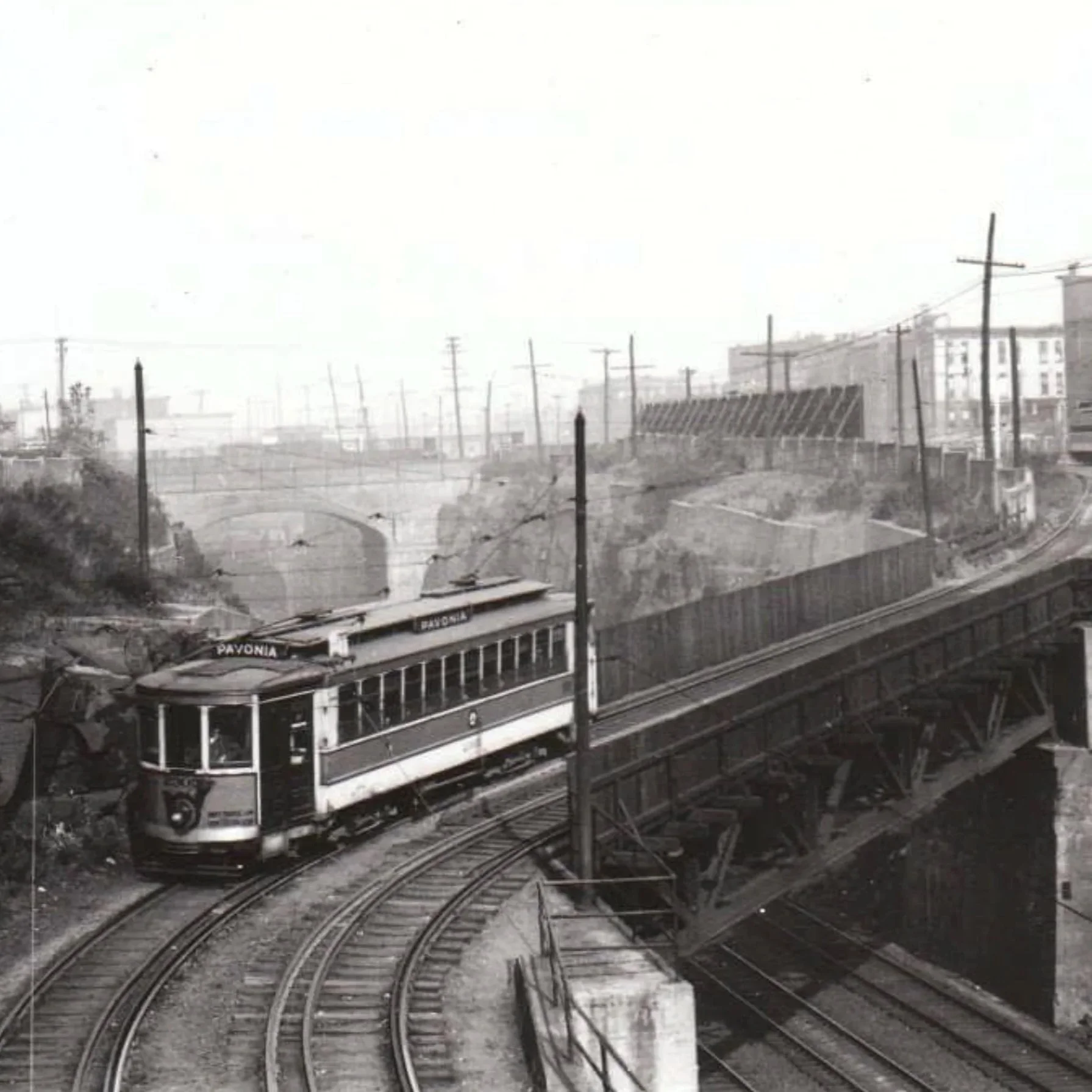
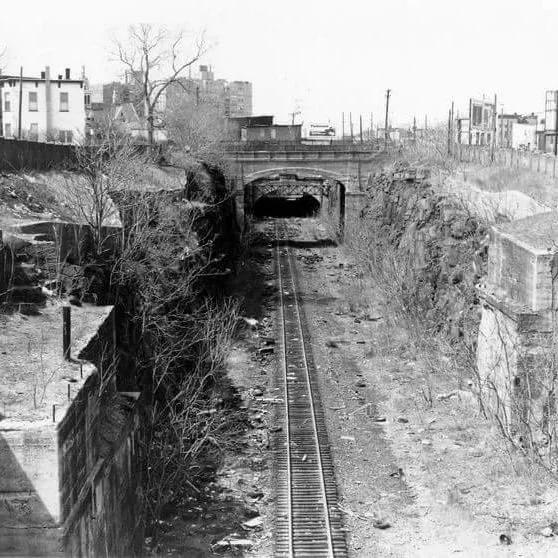
The Bergen Arches—originally known as the Bergen Archways—were built between 1906 and 1909 at the height of America’s railroad era. Constructed by the Erie Railroad Company, the corridor connected North Jersey to the Pavonia Terminal, where ferries carried passengers into Manhattan.
Carved through Bergen Hill using over 250,000 pounds of dynamite and nearly 800,000 cubic yards of rock removal, the Arches were one of the great engineering feats of their time. For decades, they helped establish Jersey City as a major transportation hub, though their construction also divided neighborhoods and impacted surrounding communities.
EXISTING CONDITIONS
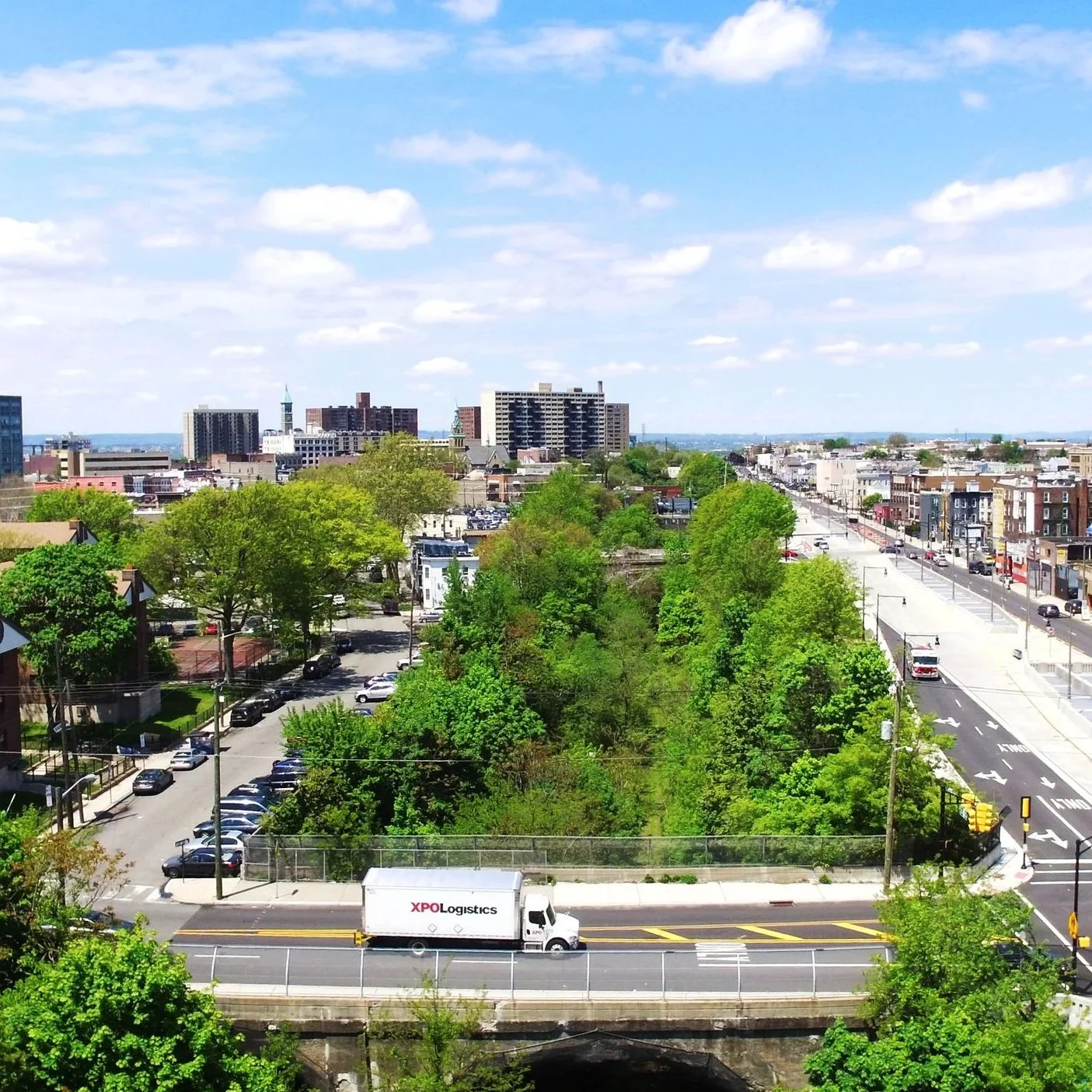

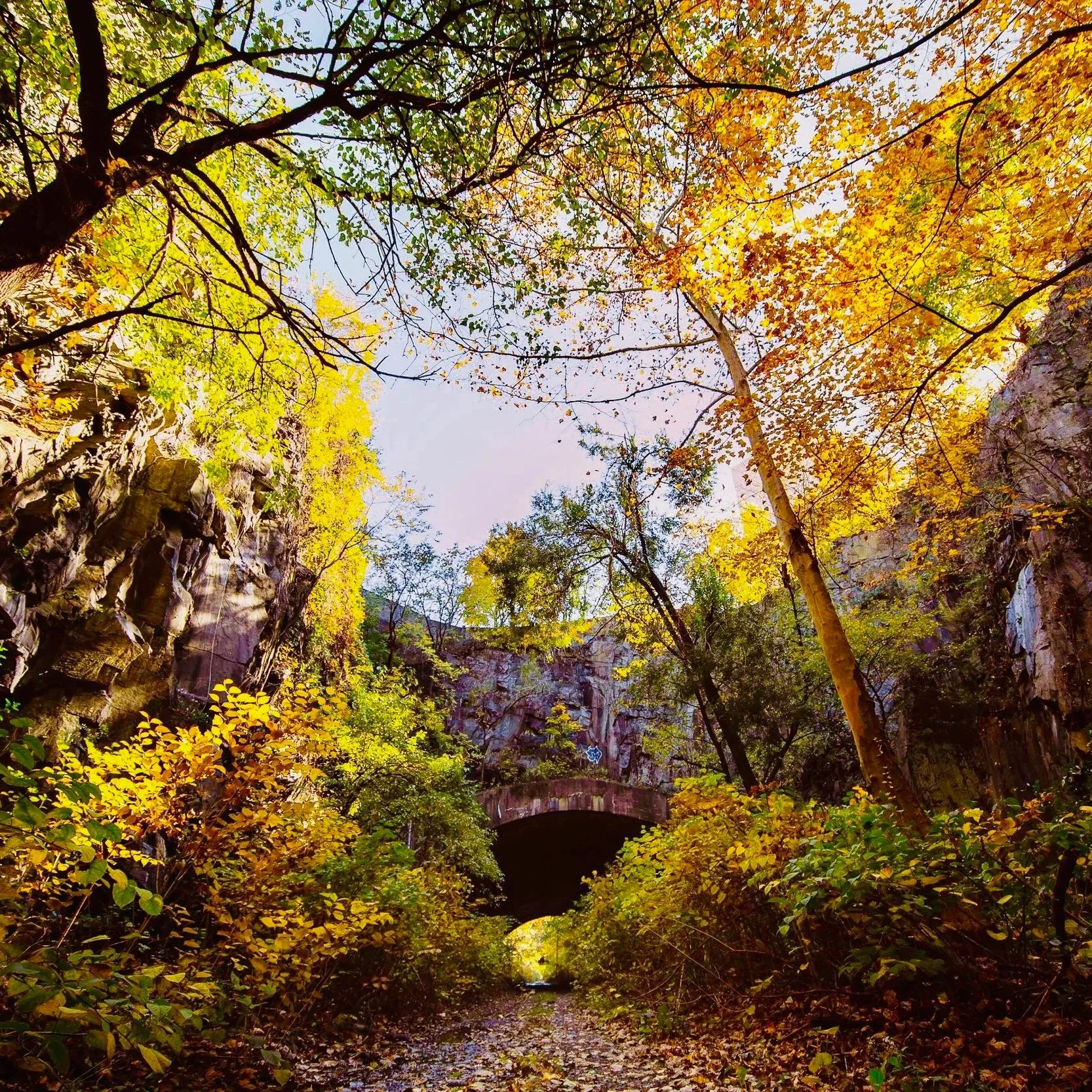
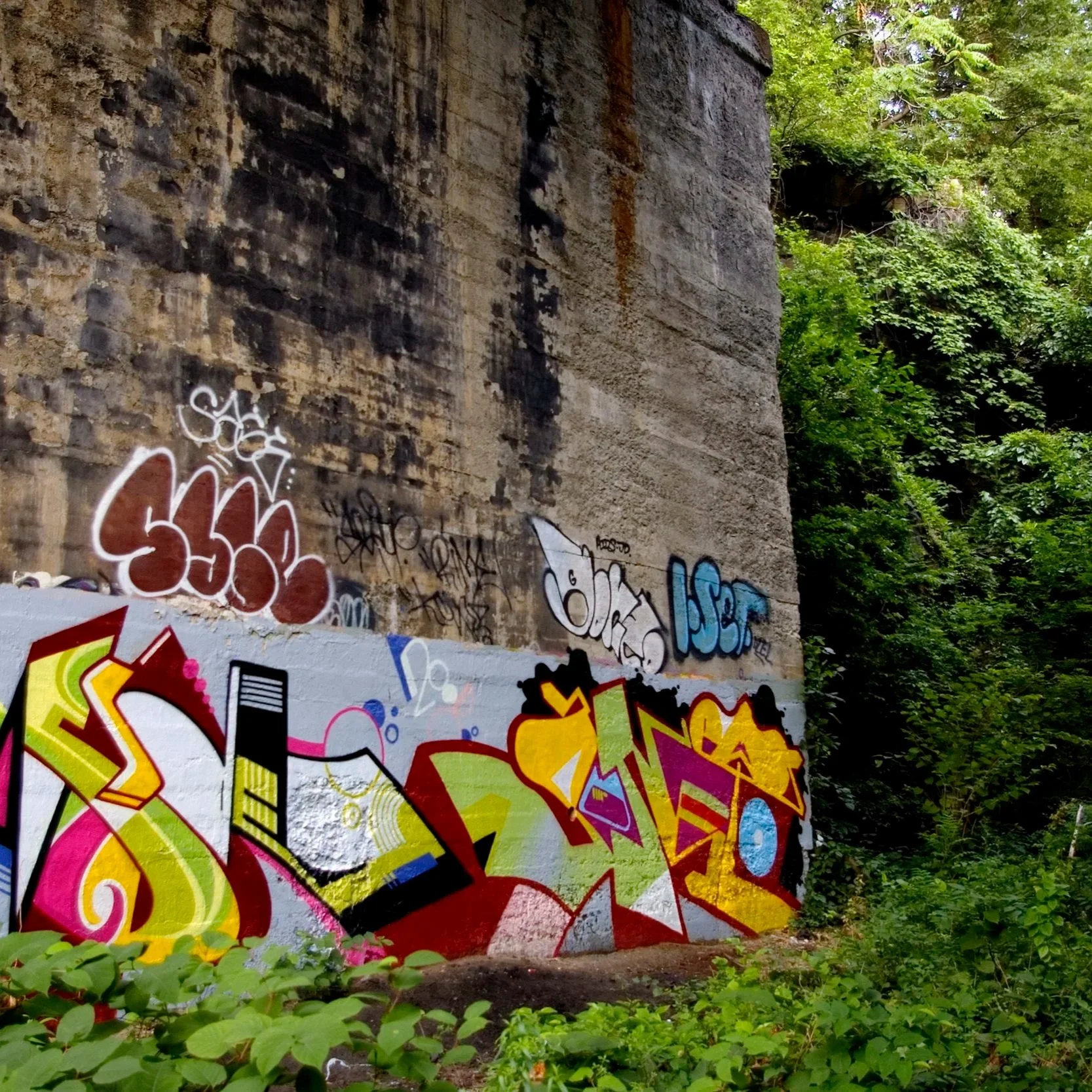
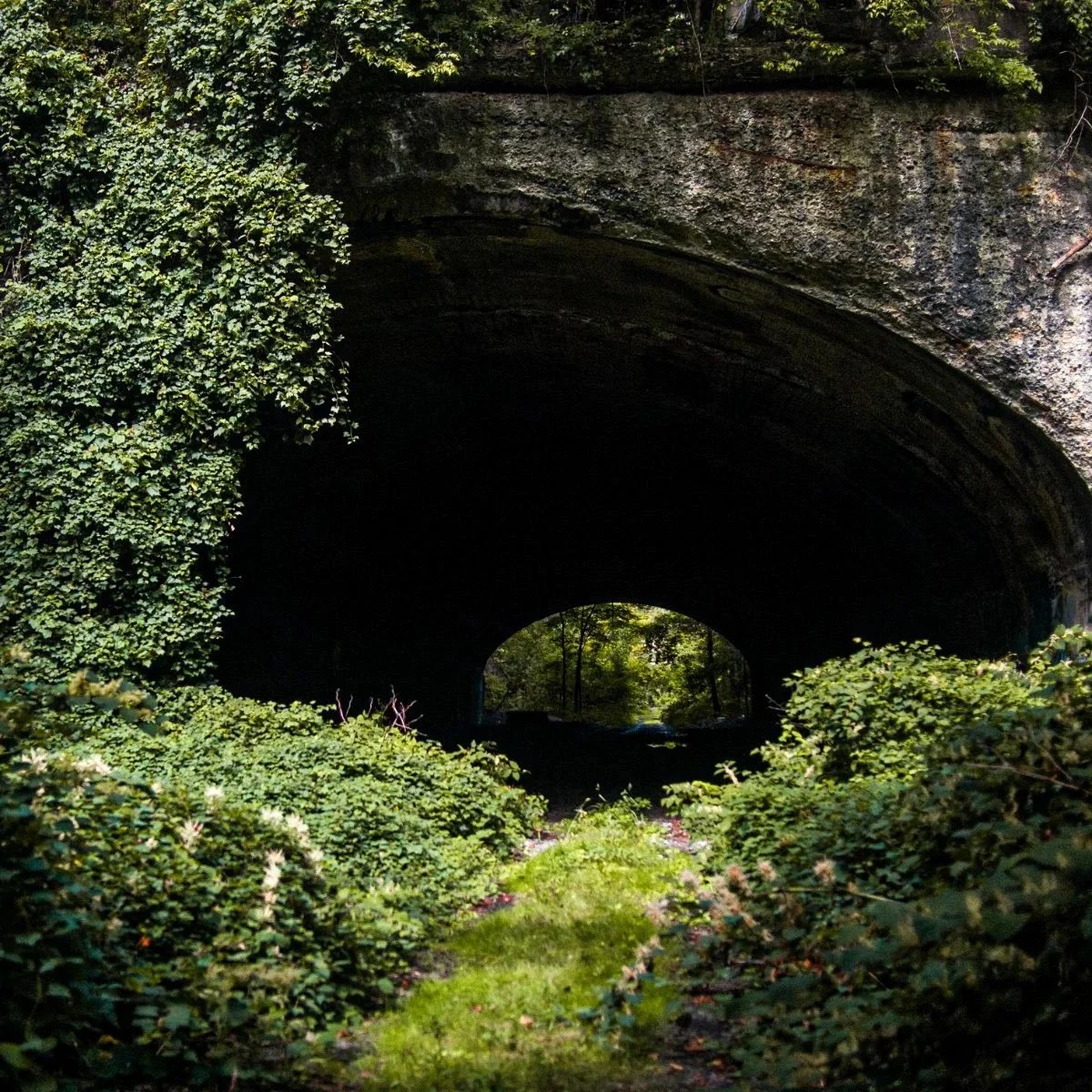
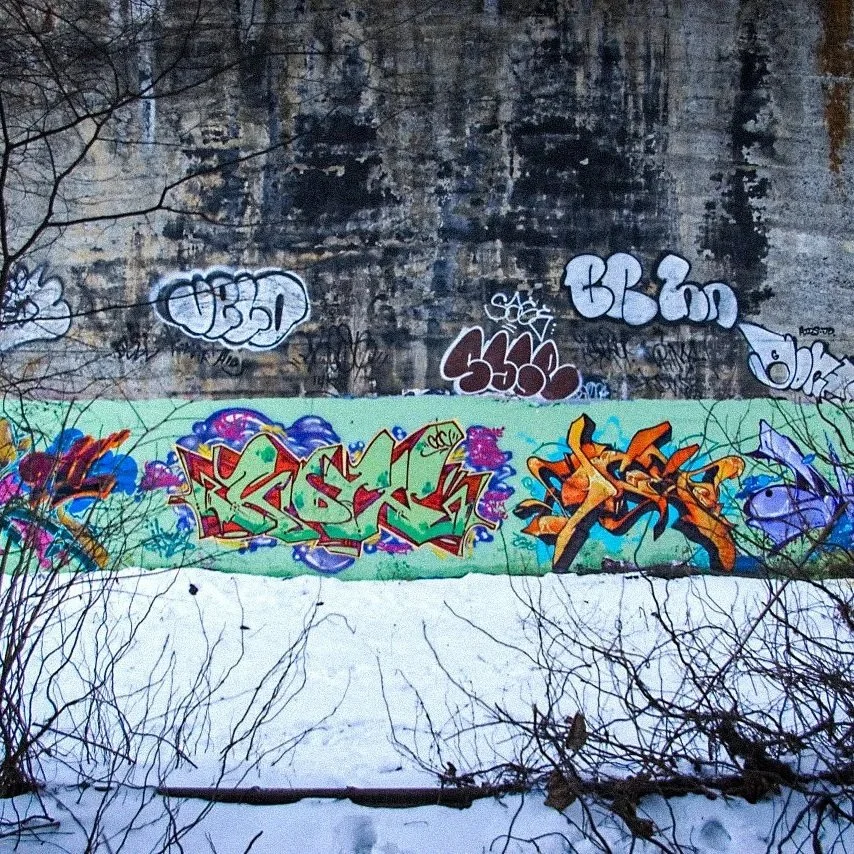
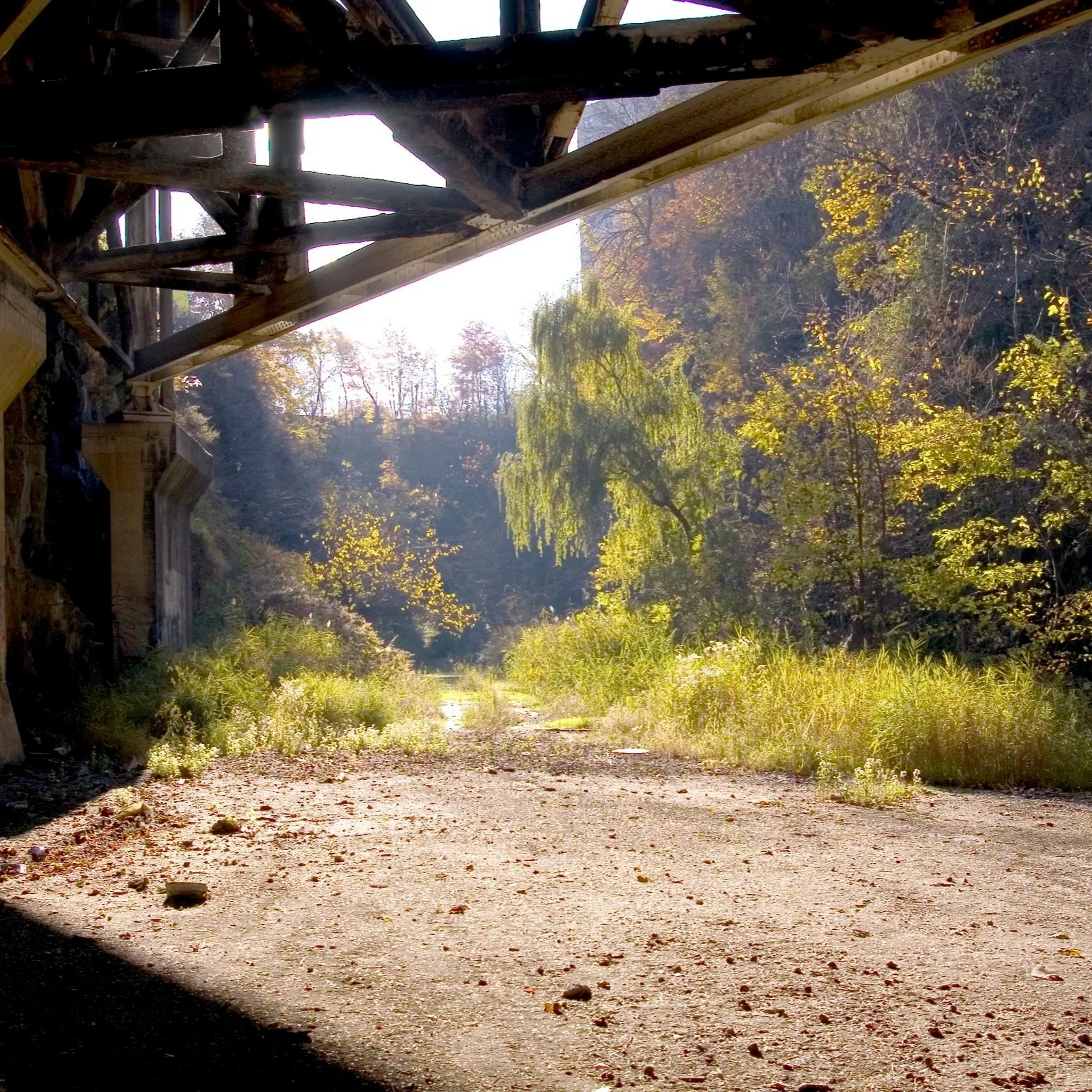
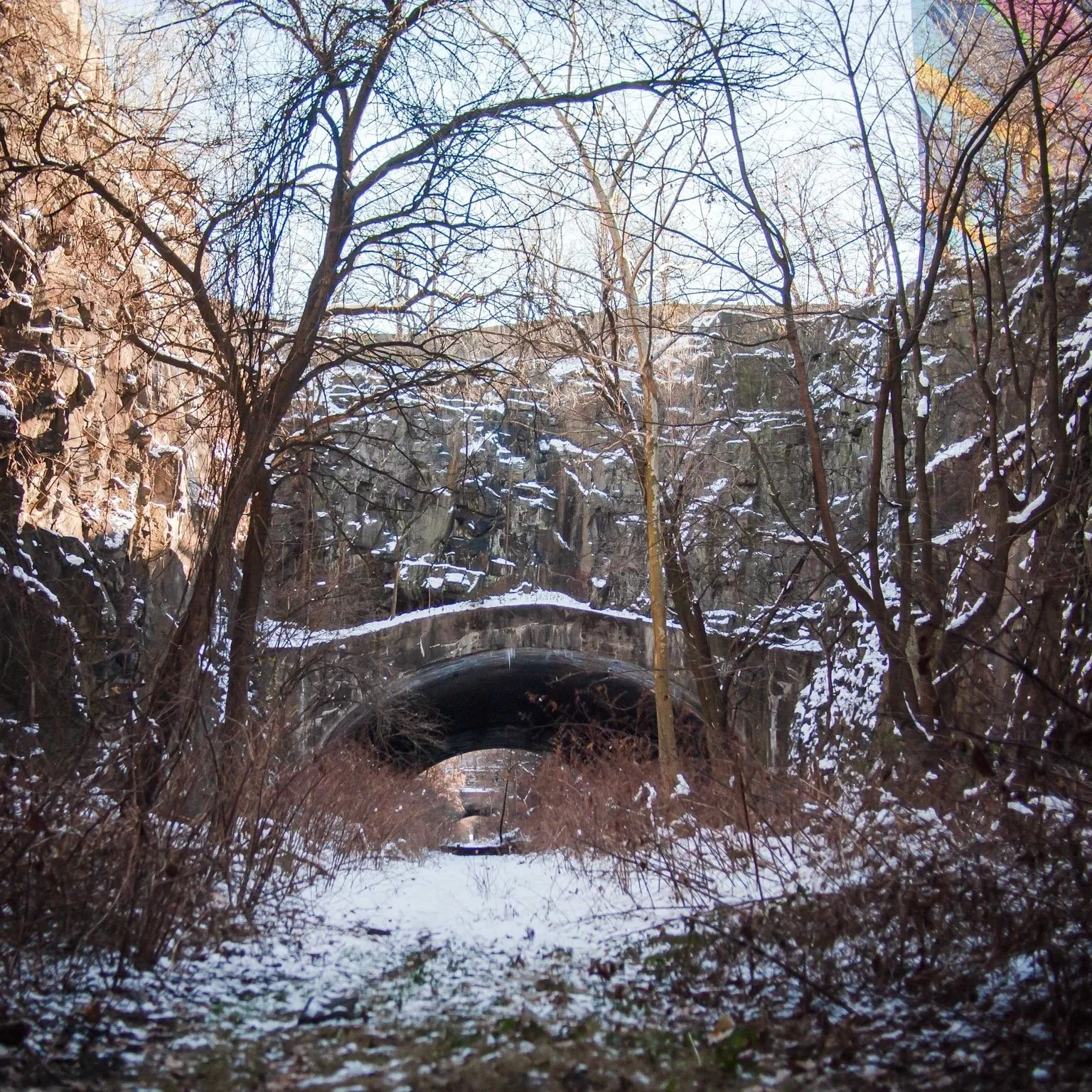
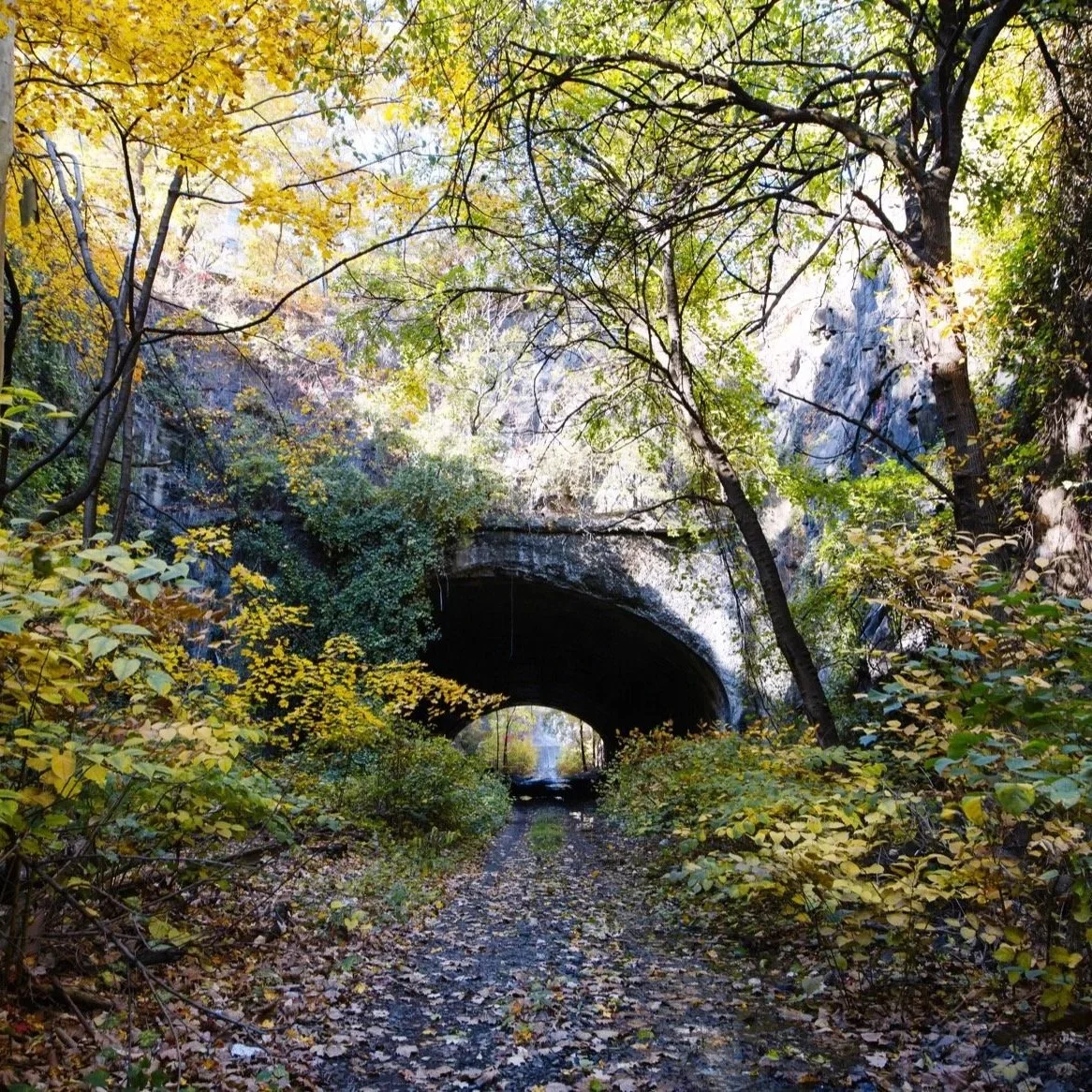
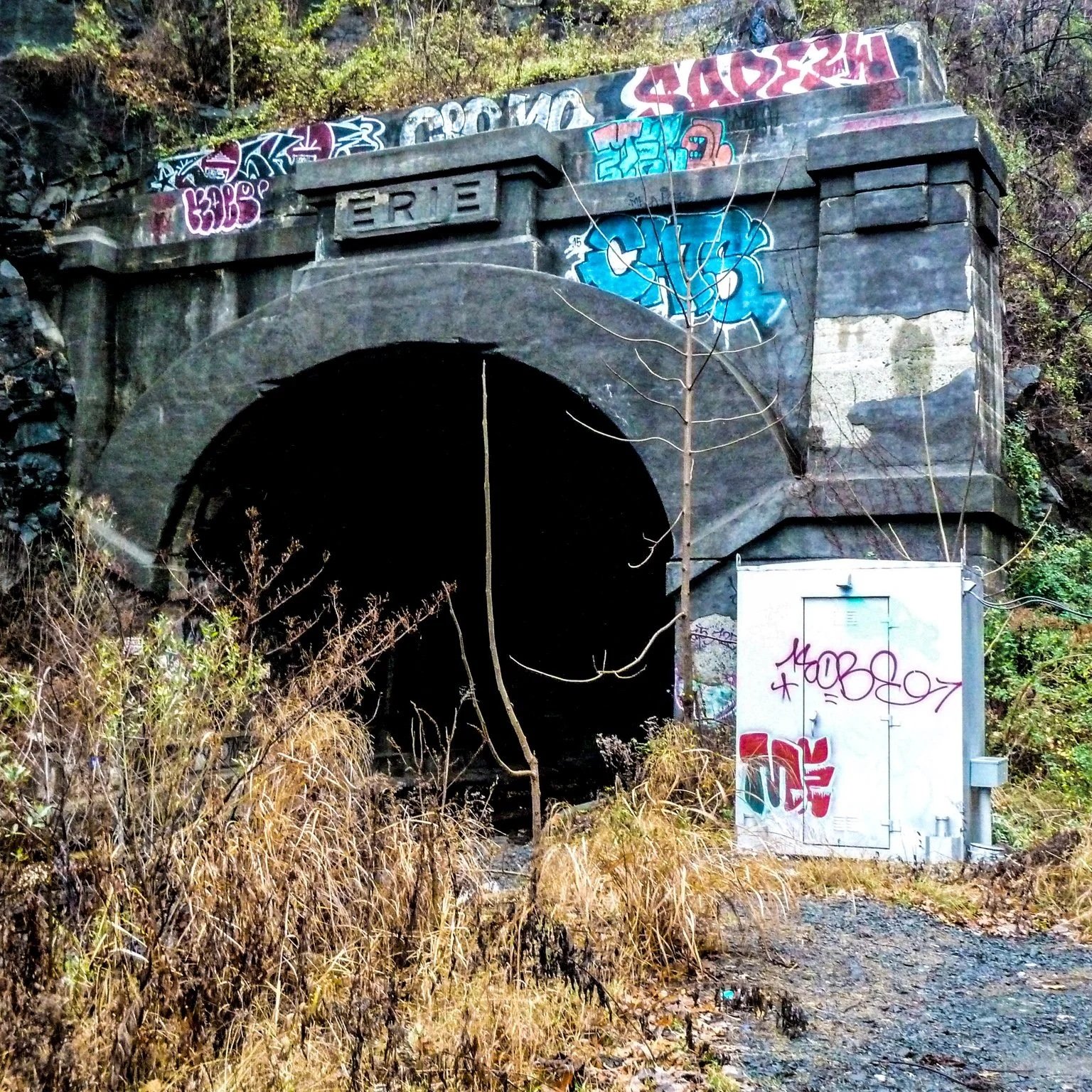
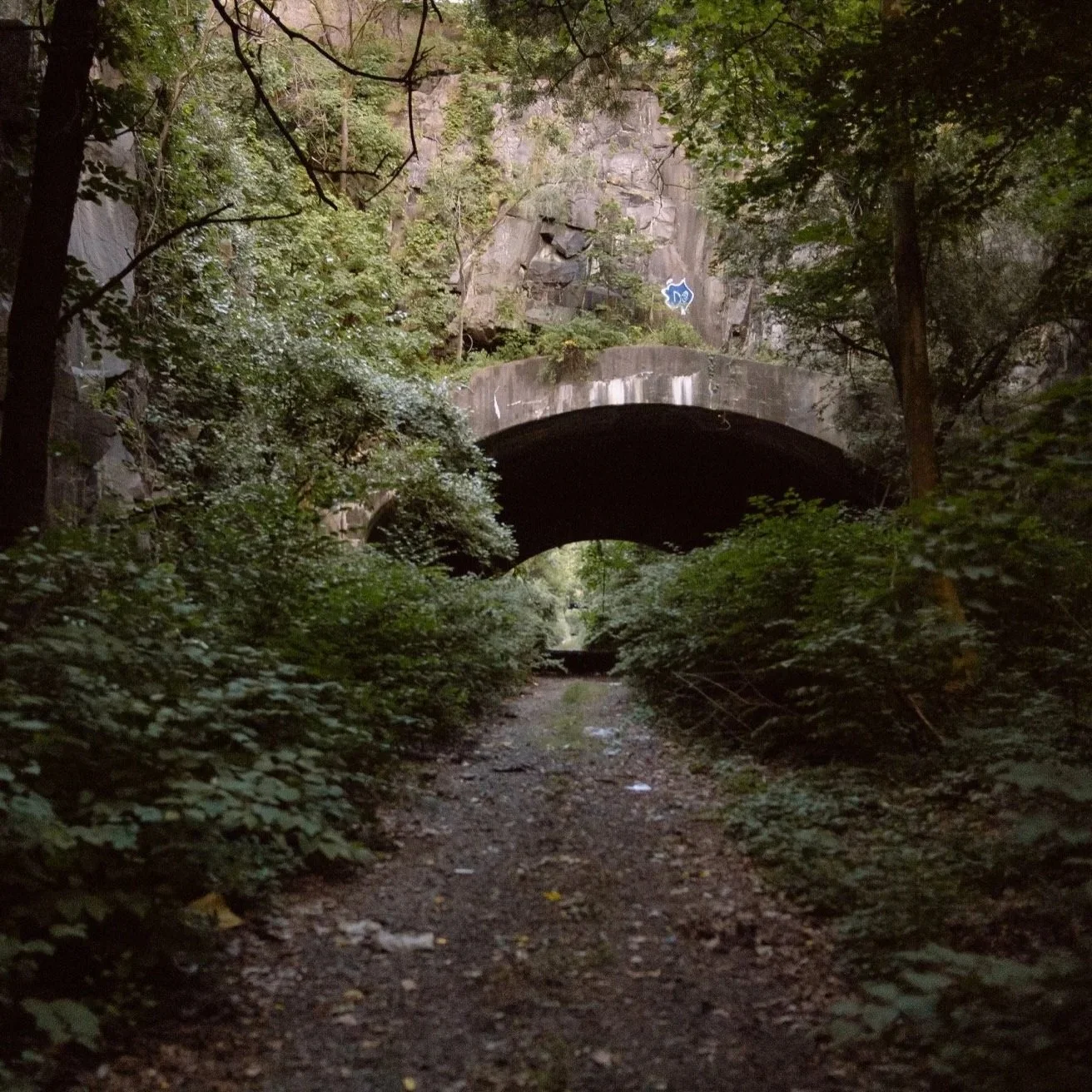
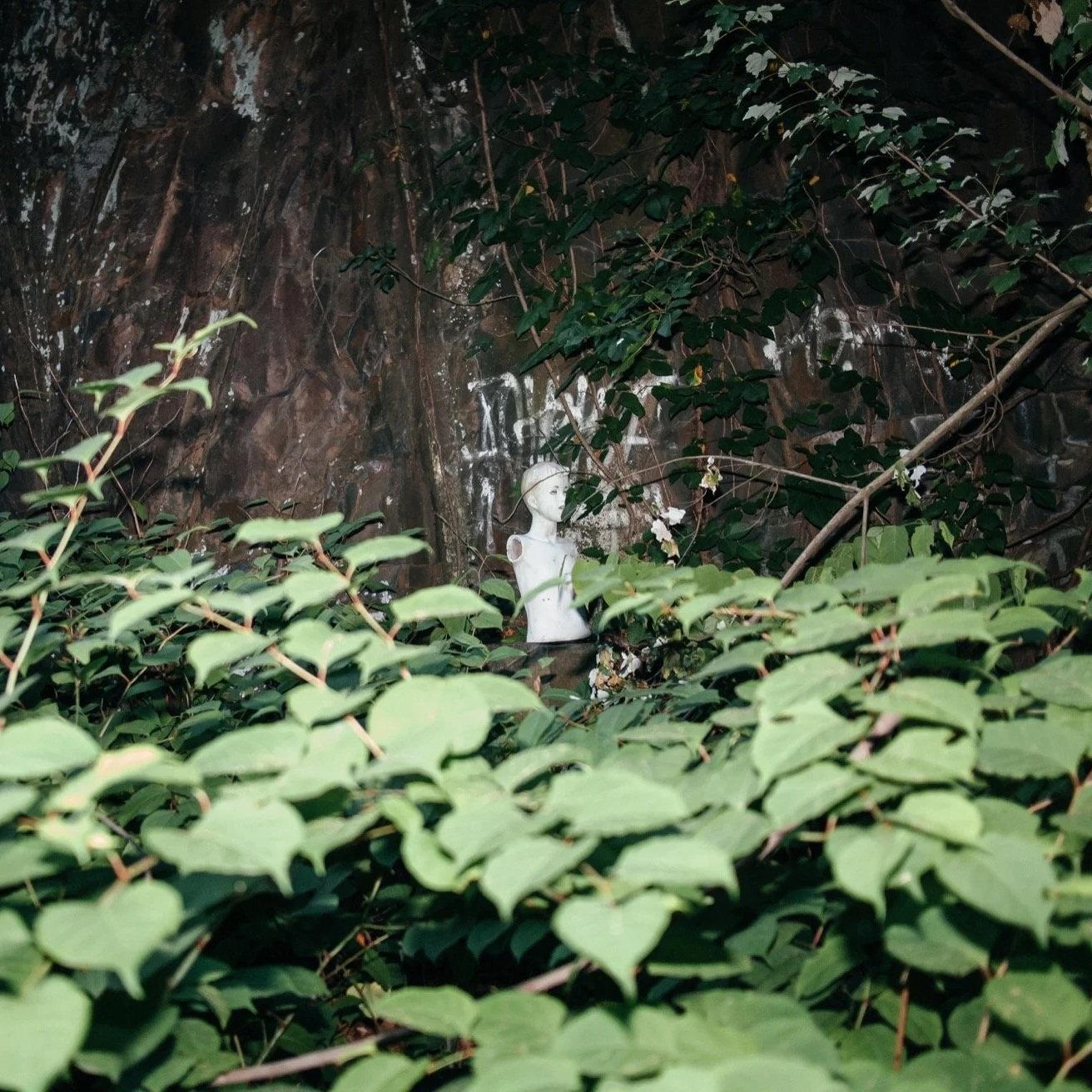
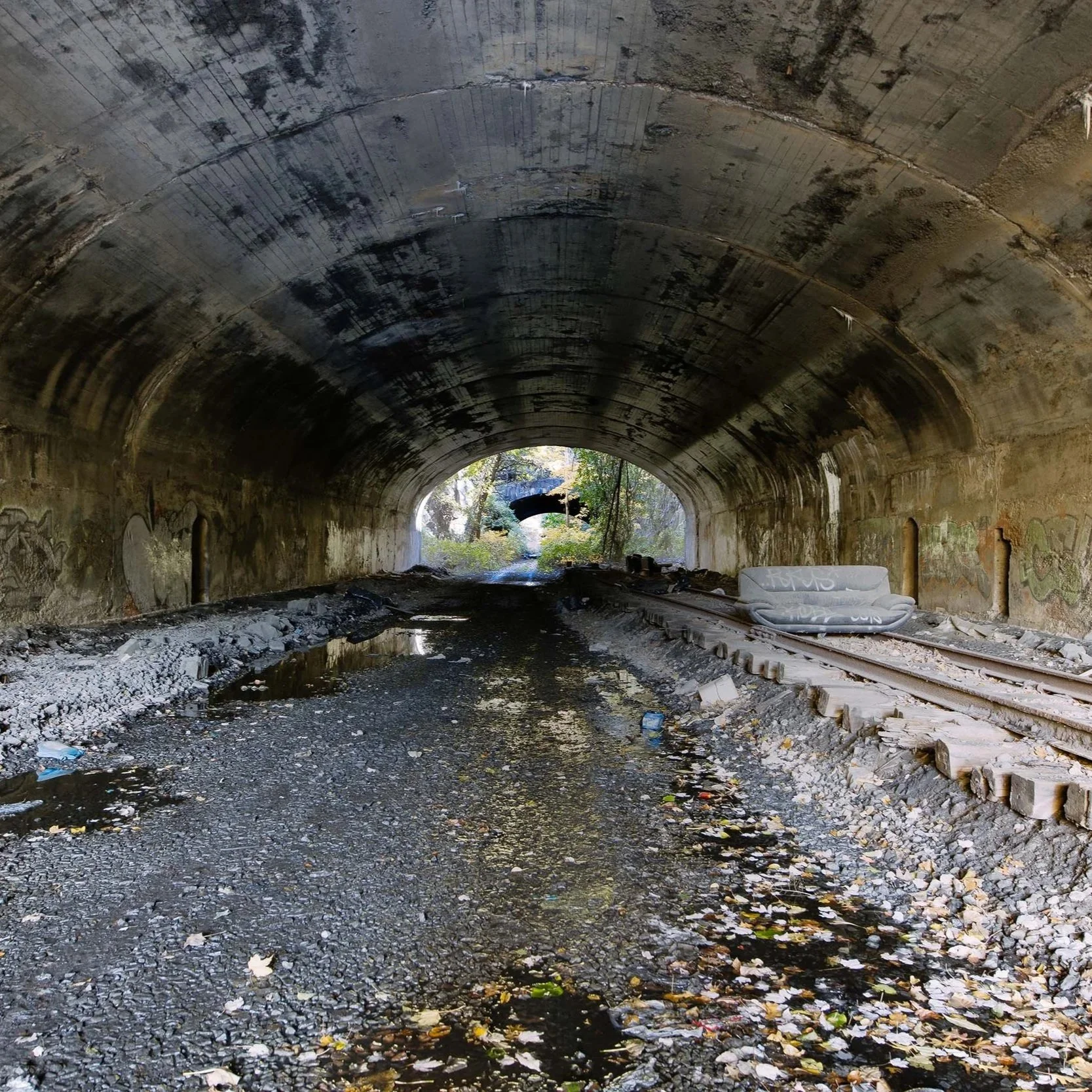
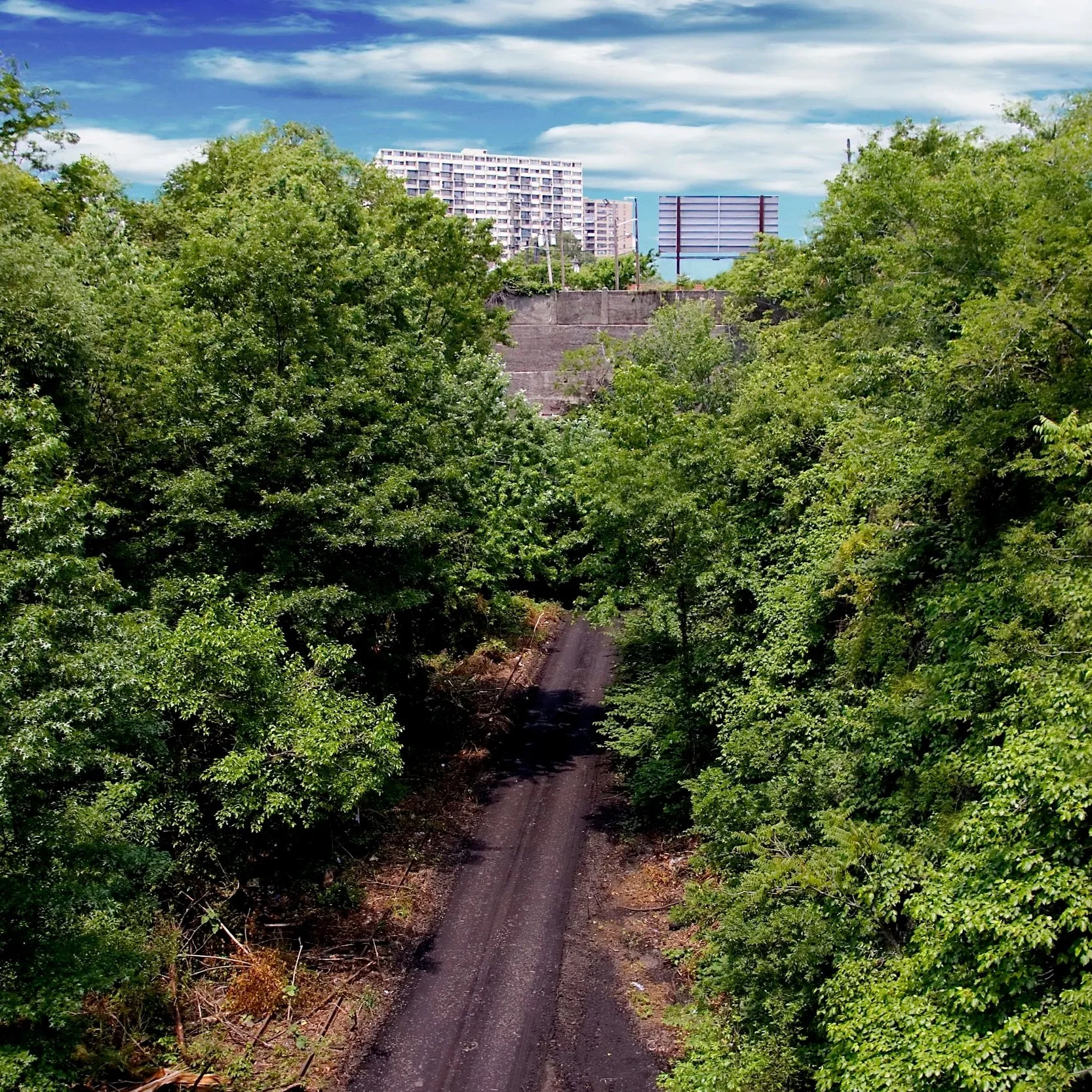
The Bergen Arches in Jersey City | Existing Conditions (2016-2026)
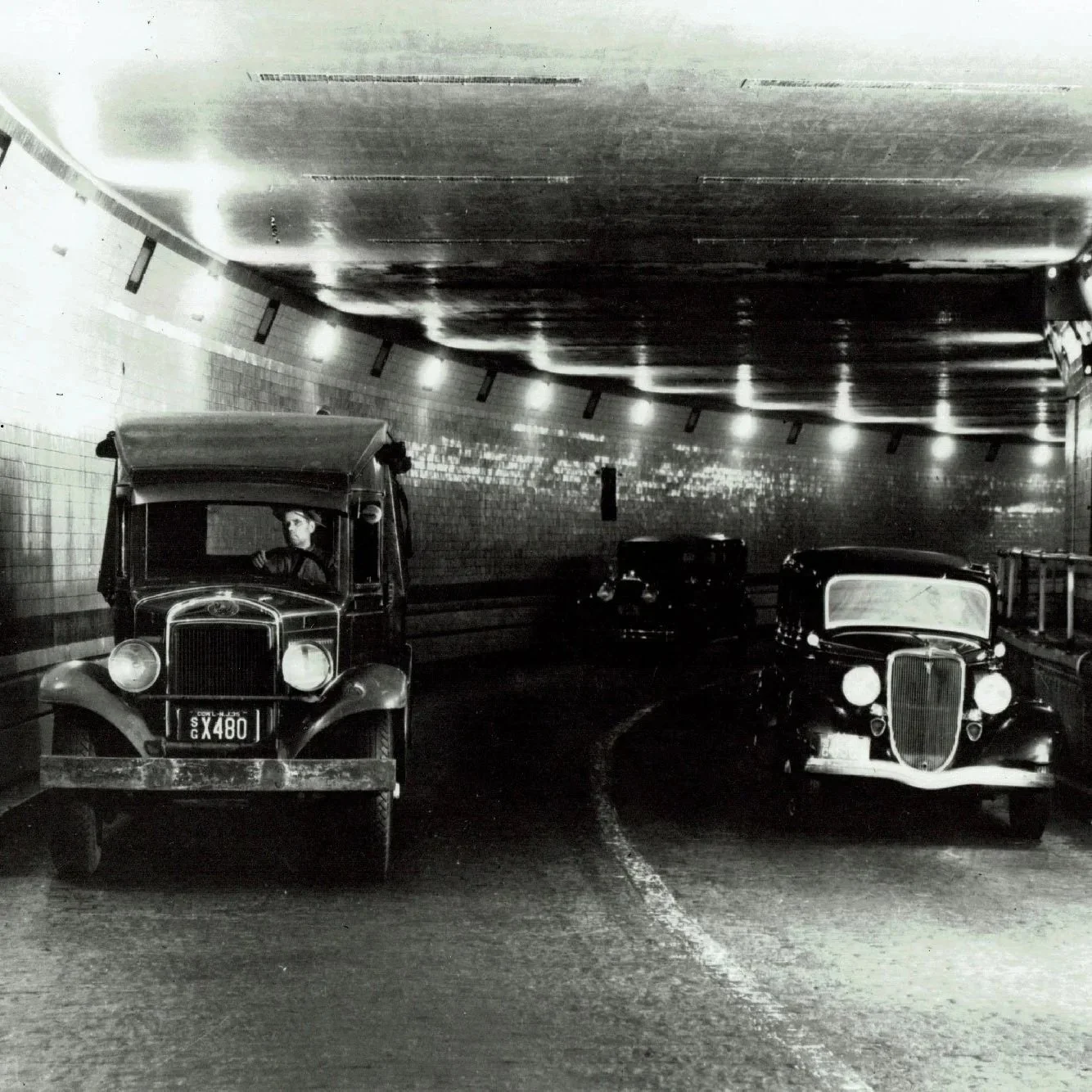
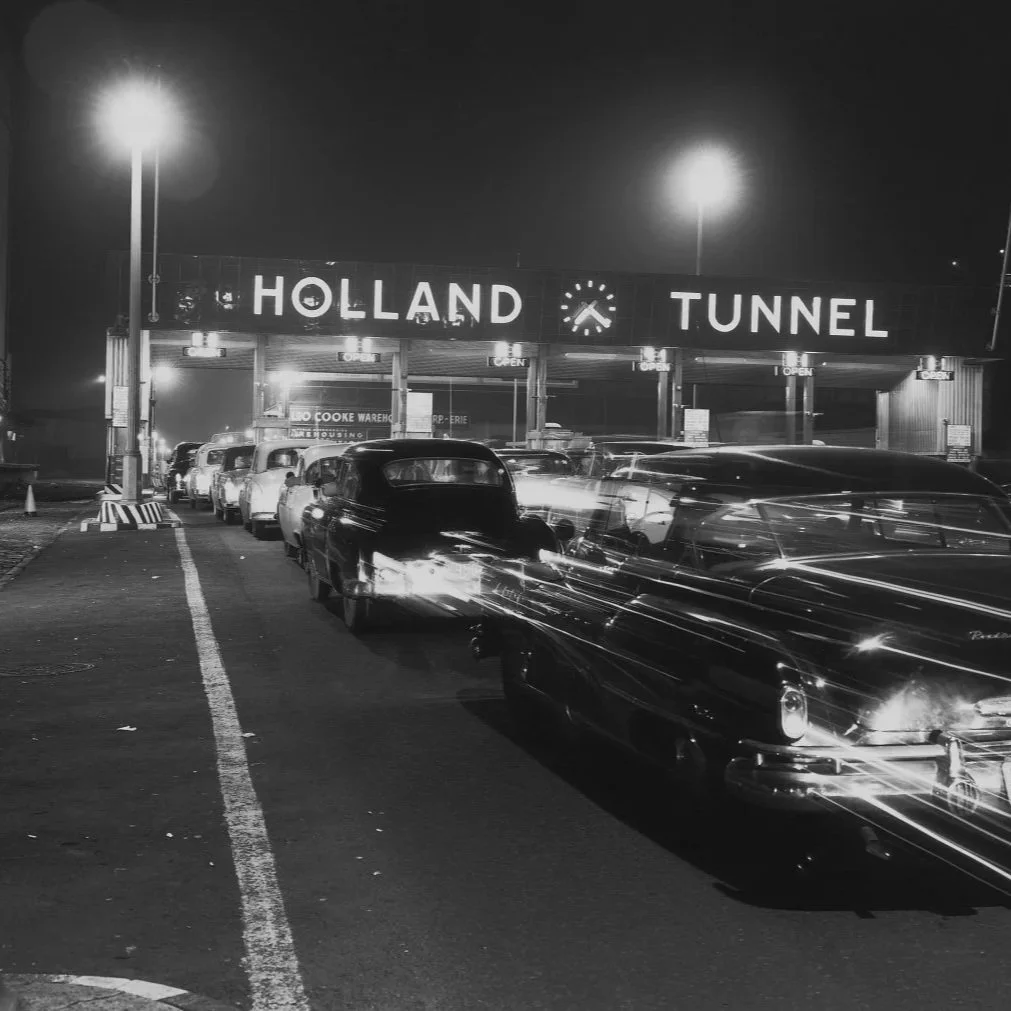
With the rise of automobile travel and the opening of the Holland Tunnel, rail use declined, and by 1957 the Arches fell into disuse. Today, the Bergen Arches remain largely dormant—owned by NJ Transit and shaped by a complex network of agencies—yet full of untapped potential.
In the years since, nature and creativity have reclaimed the space. Vegetation has formed a unique urban ecology within the rock walls, while artists have transformed the site into an evolving canvas. What was once a vital rail passage is now a hidden landscape—waiting to be reimagined.
The Bergen Arches today includes:
Informal footpaths and unmanaged access points
Established vegetation forming a distinct urban ecological system
Widespread artistic and cultural expression within the built environment
However, these conditions exist without formal design, maintenance, or safety provisions, limiting the site’s ability to function as an equitable public resource.
FUTURE POSSIBILITIES
The Bergen Arches are already being used informally, but access today is limited, unsafe, and unmaintained.
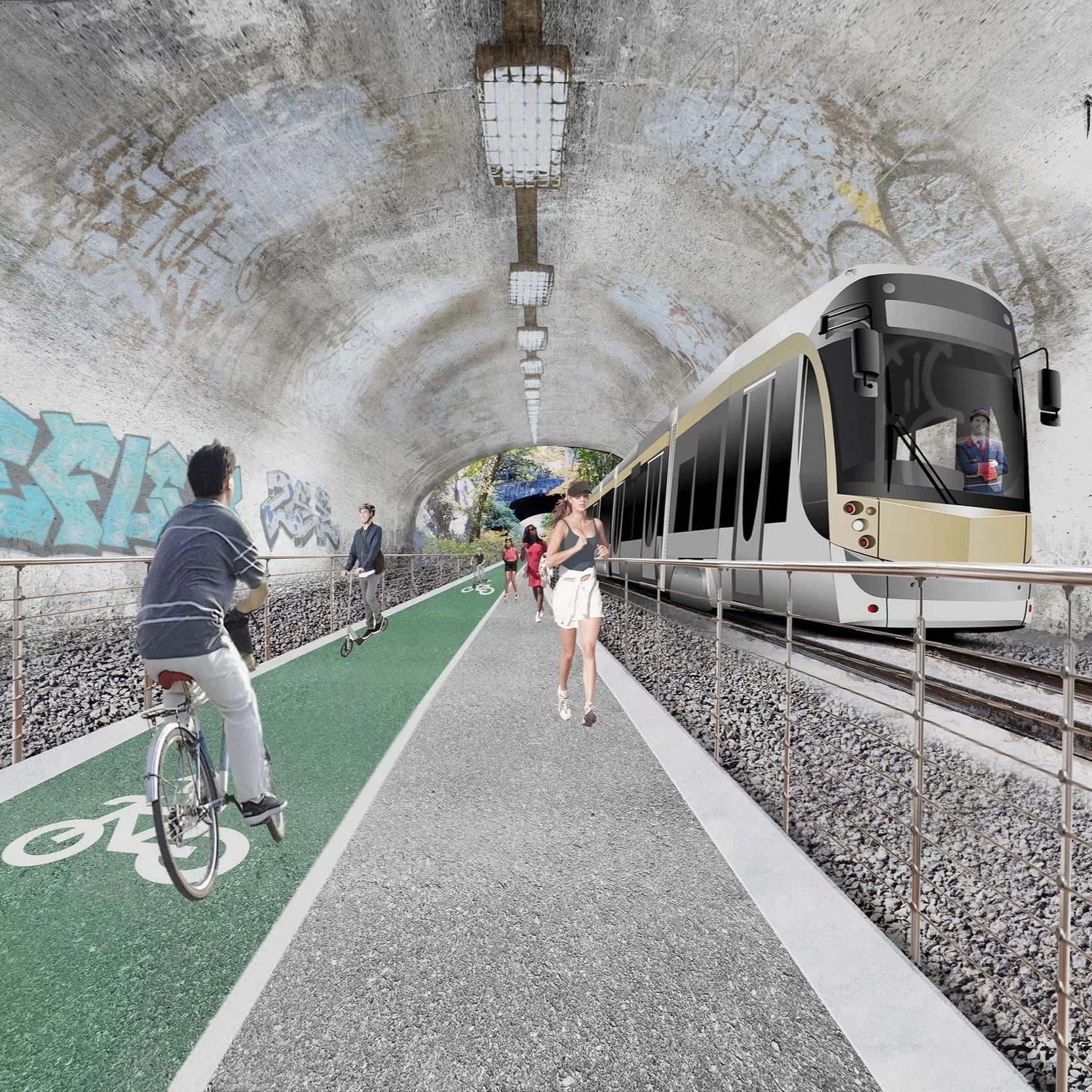
Bergen Arches Rendering | Tunnel under the new County Court House
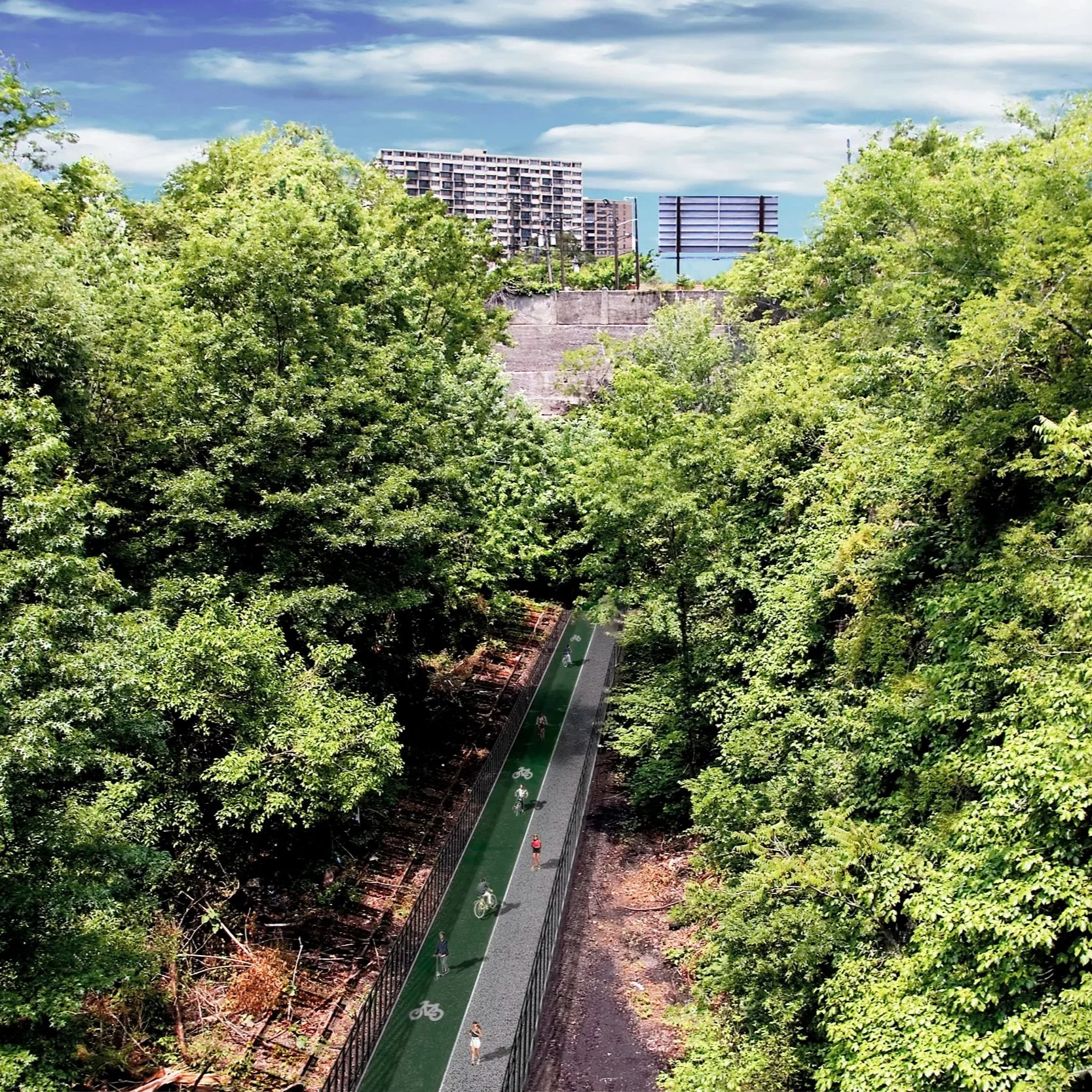
Bergen Arches Rendering | View from Baldwin Ave looking at Oakland Ave
Our Mission
Bergen Arches is a nonprofit organization dedicated to preserving and reimagining the corridor as a shared public resource. We advocate for a vision that balances historical preservation, environmental stewardship, and community access.
Our goal is to transform the Arches into a safe, accessible, and enduring public space—supporting walking and cycling, expanding green space, and creating opportunities for cultural, educational, and community use—while reconnecting neighborhoods and reflecting the character of Jersey City.
Infrastructure Requirements and Connectivity
Based on existing conditions and findings from prior feasibility studies—which evaluated both greenway and transit concepts—the transformation of the Bergen Arches into a publicly accessible space would require targeted infrastructure investments, including:
Safe, ADA-accessible entry and exit points
Lighting, drainage, and essential safety improvements
A continuous, multi-use path for pedestrians and cyclists
Environmental remediation and long-term maintenance strategies
Depending on future planning decisions, a transit component may also be considered, reflecting the Bergen Arches potential to support multiple forms of connectivity.
These considerations align with broader evaluations of the site’s structural conditions, access constraints, and its potential integration with surrounding neighborhoods and regional greenway networks.
Public Benefit
With these improvements, the Bergen Arches can be reestablished as a continuous, grade-separated greenway that:
Reconnects neighborhoods divided by transportation infrastructure
Expands access to safe, car-free mobility options
Strengthens links to regional networks, including the Essex-Hudson Greenway and the East Coast Greenway
Supports recreation, environmental stewardship, and community use
As identified in prior planning efforts, the corridor represents a critical opportunity to close gaps in the regional greenway network while advancing broader mobility and connectivity goals.
Bergen Arches Section Diagram | Steam trains running through the Arches
Bergen Arches Section Diagram | Shared-Use Trail Concept
Implementation Approach
A phased approach to development would allow for incremental activation of the corridor, prioritizing safety, accessibility, and community benefit while preserving the site’s ecological and historical character.
This strategy builds upon existing conditions—formalizing access and infrastructure while maintaining the qualities that make the Bergen Arches a unique urban landscape.
Why It Matters?
Opportunities like the Bergen Arches are uncommon—especially in dense, rapidly growing cities.
This corridor has the potential to:
Expand access to green space where it is most needed
Provide safe, off-street routes for walking and cycling
Reconnect neighborhoods divided by infrastructure
Preserve a unique piece of Jersey City’s history
Support long-term economic and community development
How this space is used will shape the surrounding neighborhoods for generations. Decisions made today will determine whether the Arches remain inaccessible—or become a shared public asset.
Get Involved
The future of the Bergen Arches is still being shaped, and community voices play an essential role in that process.
If you care about expanding green space, improving connectivity, and preserving local history, there are ways to help:
Stay informed about updates and developments
Share the vision with others in your community
Participate in public discussions and planning efforts